Brands
Adhesives & Sealants

Automotive

Cleaning & Housewares
Electrical & Lighting
Fixings & Fasteners
Gardening & Outdoor
Hand Tools
If you searched for tool and fix, you probably have a job in front of you and need to know what kit it calls for. This guide covers the basics: power tools, hand tools, fixings, adhesives and a few car and plumbing items. It is an independent reference, so nothing here is for sale. It helps you decide what to look for before you spend anything.
Before buying power tools here, it helps to know which tool brands hold up well on real job sites.
Starting a Tool and Fix Kit at Home
Most household repairs need fewer tools than people expect. A basic set costs roughly £80 to £150 if you pick sensible mid-range items, and it will handle shelves, flat-pack furniture, loose hinges and small plumbing jobs.
The core list is short:
- A 18V cordless drill-driver with two batteries
- A claw hammer, around 16 oz
- A set of screwdrivers (Phillips, flat and Pozidriv)
- A 5 m tape measure and a spirit level of 600 mm
- An adjustable spanner and a pair of pliers
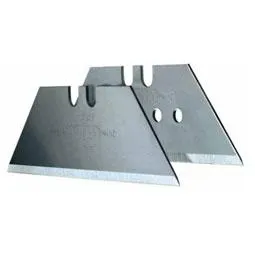
- A utility knife with spare blades
Skip the 200-piece bargain sets. Half the bits are rarely used and the steel is soft. Buy fewer, better pieces.
Choosing from the Power Tools Range
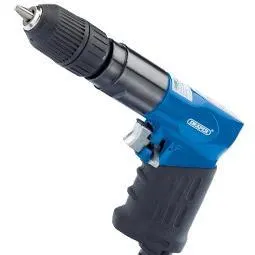
The power tools range is wide, but a few types do most of the work. A drill-driver is the first purchase for nearly everyone. Look for a two-speed gearbox, a metal chuck of 13 mm and a torque clutch with at least 15 settings, so you do not strip screws or sink them too deep.
Corded or cordless
Cordless is the default now. A 2.0 Ah battery suits light jobs, while 4.0 Ah lasts through a day of decking or fence work. Corded tools still win for sanding, routing and sawing, where you want steady power without watching a battery bar. They are also cheaper, often by 30 percent or more for the same output.
Which tool for which job
A jigsaw cuts curves in worktops and plywood. A circular saw (usually 165 mm to 190 mm blade) makes long straight cuts in sheet material. An orbital sander finishes flat surfaces, and a router shapes edges and cuts grooves. Add each one only when a project demands it.
For masonry, you want a hammer drill with an SDS chuck. A standard drill will struggle in brick and give up in concrete.
What the Hand Tools Range Still Does Better
Power does not replace everything. A hand saw gives you more control on fine trim, and a sharp chisel cleans out a hinge recess faster than any machine. The hand tools range matters most where precision beats speed.
Look for a hardened-tooth saw with 7 to 9 teeth per inch for general timber. Choose screwdrivers with tips that fit snugly, because a loose tip chews the screw head. Spanners in chrome vanadium steel hold up far longer than cheap carbon steel.
Chisels deserve a mention. A set of 6 mm, 12 mm and 25 mm blades covers most jobs, and keeping them sharp with a simple stone makes more difference than paying for a premium brand.
Fixings and Fasteners: Getting the Match Right
Most failed repairs trace back to the wrong fixing, not the wrong tool. Fixings and fasteners are sized by length and gauge, and the wall type decides the rest.
- Solid brick or block: masonry screws or plastic plugs, 6 mm to 8 mm for shelves
- Plasterboard: spring toggles or self-drill plugs, rated for about 10 to 25 kg each
- Timber: wood screws, with a pilot hole slightly smaller than the screw core
- Outdoors: stainless or coated screws, since plain steel rusts within a season
Screw length is the usual trap. A good rule is that at least two thirds of the screw should sit in the solid material, so a 19 mm board wants a 40 mm screw into the stud behind it.
Adhesives and Sealants
Glue is a fixing too. PVA suits interior wood joints and needs clamping for about 30 minutes. Polyurethane glue handles damp conditions and mixed materials but foams as it cures. Two-part epoxy bonds metal and ceramics, setting in roughly 5 minutes for the quick type or 24 hours for full strength on the slow one.
For bathrooms and kitchens, use a sanitary silicone with a mould inhibitor. Expect a 310 ml cartridge to run about 8 m of a 5 mm bead.
Automotive and Garage Basics
Home tool kits often double as a car kit. The automotive tools and products worth owning are a trolley or bottle jack rated above your vehicle weight, a torque wrench, jump leads or a compact jump starter, and a tow strap. Many of these items sit in the garage for months, so check them once a year.
A torque wrench is the one people skip and regret. Wheel nuts usually need around 100 to 120 Nm, and an impact gun alone will overshoot that.
Frequently Asked Questions
What is the first power tool a beginner should get?
A cordless drill-driver at 18V. It drills holes, drives screws and takes mixing paddles and sanding attachments. Spend a little more for a brushless motor if you plan to use it often.
How do I choose the right wall plug?
Identify the wall first by tapping and drilling a small test hole. Dust that is red or grey means brick or block, white powder with a hollow sound points to plasterboard. Match the plug to the wall, not to the screw alone.
Are cheap hand tools worth buying?
For one-off jobs, yes, particularly for items like paint scrapers. For anything you grip hard or put force through, such as spanners and pliers, mid-range tools last much longer and are safer.
Do I need a torque wrench for DIY?
For wheels and engine parts, yes. For general carpentry and household repairs, a drill clutch is enough.